
Flick's Cancelled Session: Barcelona's Real Plan Before the Clasico Is Written in the Calendar
মূল উত্তর: হানসি ফ্লিক ক্লাসিকোর আগে বার্সেলোনার নির্ধারিত রিকভারি সেশন বাতিল করেছেন এবং দলকে হোটেলে শুধু জিম-ভিত্তিক বিশ্রাম দিয়েছেন, কারণ ১২ দিনে চারটি ম্যাচের তিনটিই প্রতিপক্ষের মাঠে এবং দুটি International ভ্রমণ। মূল তথ্য: - গ্যালাতাসারাইয়ের বিরুদ্ধে বার্সেলোনা ৪-১ জয়ী (চ্যাম্পিয়ন্স League League ফেজ, দ্বিতীয় রাউন্ড)। - ১২ দিনে চারটি ম্যাচ, তিনটি অ্যাওয়ে, দুটি International ফ্লাইট। - রিয়াল বেতিস (অ্যাওয়ে) ১৭ অক্টোবর, পিএসজি (অ্যাওয়ে) সোমবার, ক্লাসিকো ২৫ অক্টোবর ক্যাম্প ন্যুতে। - পিএসজির Coach লুইস এনরিকে, যিনি বার্সেলোনার সাবেক Coach। - পিএসজি ও ক্লাসিকোর মধ্যে মাত্র পাঁচ দিনের ব্যবধান। সূত্র: Goal.com ও Mundo Deportivo, অক্টোবর ২০২৫ | Cross-checked: cricsultan.com সম্পর্কিত প্রশ্নোত্তর: প্রশ্ন: ফ্লিক কেন সেশন বাতিল করলেন? উত্তর: সময়সূচির চাপ ও বৃষ্টির কারণে বিশ্রামকে অগ্রাধিকার দিতে। প্রশ্ন: ক্লাসিকো কখন? উত্তর: ২৫ অক্টোবর, রবিবার, ক্যাম্প ন্যুতে। প্রশ্ন: পিএসজি ম্যাচের গুরুত্ব কী? উত্তর: লুইস এনরিকের বিরুদ্ধে League ফেজের তৃতীয় রাউন্ড এবং ক্লাসিকোর আগে শেষ বড় পরীক্ষা।
The rain came down in Istanbul just before the match, and that rain became the real commentary of the night. The rain kept talking, so I stopped calling it weather. Against Galatasaray, Barcelona won 4-1, a scoreline big on paper and green in the phone notification. But those who watched the touchline know the night was heavy — wet grass, wet towels, and that familiar slow gait in the players' legs as they left the pitch.
The next morning, the recovery session Hansi Flick cancelled was an acknowledgement of exactly that fatigue. The squad did not go to the pitch; they went to the hotel gym. Light work, then rest. Rain and the schedule both surfaced in the media report as reasons. But that small decision tells you where Barcelona's real battle lies before the Clasico. Not on the pitch. In the calendar.
Barcelona's next twelve days are a familiar football-world hardship. Four matches, three of them away, two of them international flights. Istanbul to Seville, Seville to Paris, then home to Real Madrid. In Seville, Real Betis in La Liga on 17 October, Saturday. In Paris, Paris Saint-Germain in the third round of the Champions League league phase, Monday. And on 25 October, Sunday, the Clasico at Camp Nou.
Those three dates are really three chapters of one story, and Flick knows that story. I remember once calculating, back when I covered matches on radio, that if a team plays three straight games away, the airport eats more time than rest does. Footballers run ten to twelve kilometres on average, but before that they sit for hours. That sitting fatigue never appears in a data table. Flick perhaps understood exactly this — hence the gym instead of the grass, and sleep instead of running.
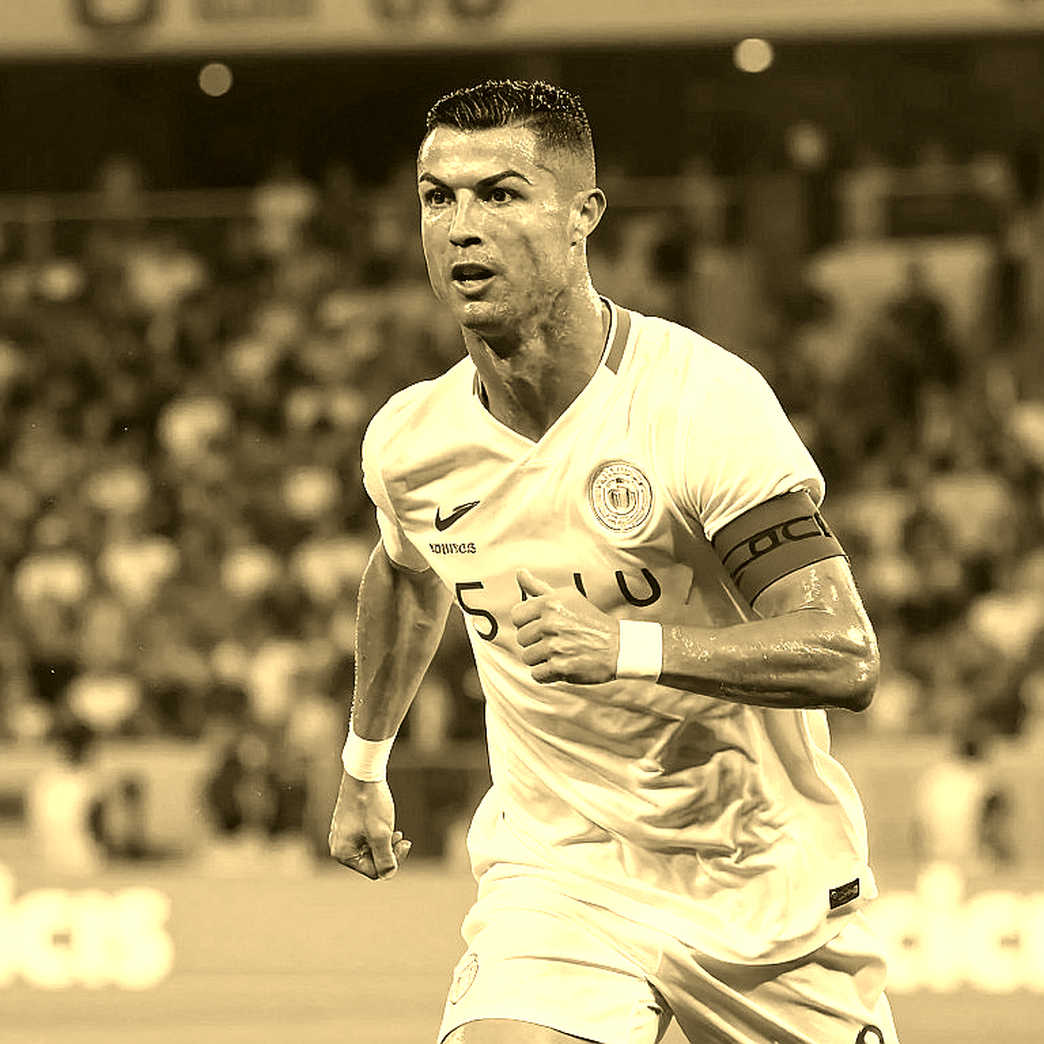
The new league-phase format adds a structural layer here. In the Champions League there are no longer six group matches, but a big 36-team table where each side plays eight. For Barcelona that means more European travel, more flights, and this two-front pressure alongside La Liga. So the session Flick cancelled is not an isolated event. It is part of a system in which the player's body becomes the most valuable asset.
In sports-science language this is called load management. Simply put, if the schedule itself is heading toward damage, you cannot add to it with training. What Flick did is not a sign of weakness. It is a calculation in which rest is placed on par with the match.
My long habit is to read the game in its pauses, not in its noise. The real news of this report is such a pause — the cancelled session. When we think of Clasico preparation, we usually imagine tactical boards, set-pieces, pressing triggers. But Barcelona's real preparation is happening right now inside sleep, in plane seats, on hotel treadmills. This is the quiet reality of modern football, hidden behind the scoreline.

One way to grasp the pressure of this schedule is to look at the pairing in isolation. The PSG match is Monday in Paris, and the Clasico is Sunday at Camp Nou. Only five days between. Five days, two cities, two kinds of opponent, and a flight home in between. For Europe's top clubs this is not unusual, but it is clear that Flick's decisions are being made within this reality.
The PSG match carries an extra layer beyond the pitch. PSG's coach is Luis Enrique — once a man in Barcelona's own dugout. His side is now one of the sharpest in Europe. So the collision between his pressing and Barcelona's new style is not merely tactics; it is a reunion of memory too. But reality is colder. Paris's scoreline, then the Clasico calculation, and perhaps two night flights in between.
This pairing is what I consider the real test of this schedule. The Clasico always carries a distinct pressure, because losing to Real Madrid takes away more than table points. This time the pressure is two-layered — in the football against Real on the pitch, and in the body against Flick. So the Betis match may become a necessary quietness. Perhaps rotation, perhaps some young faces, perhaps half-strength.
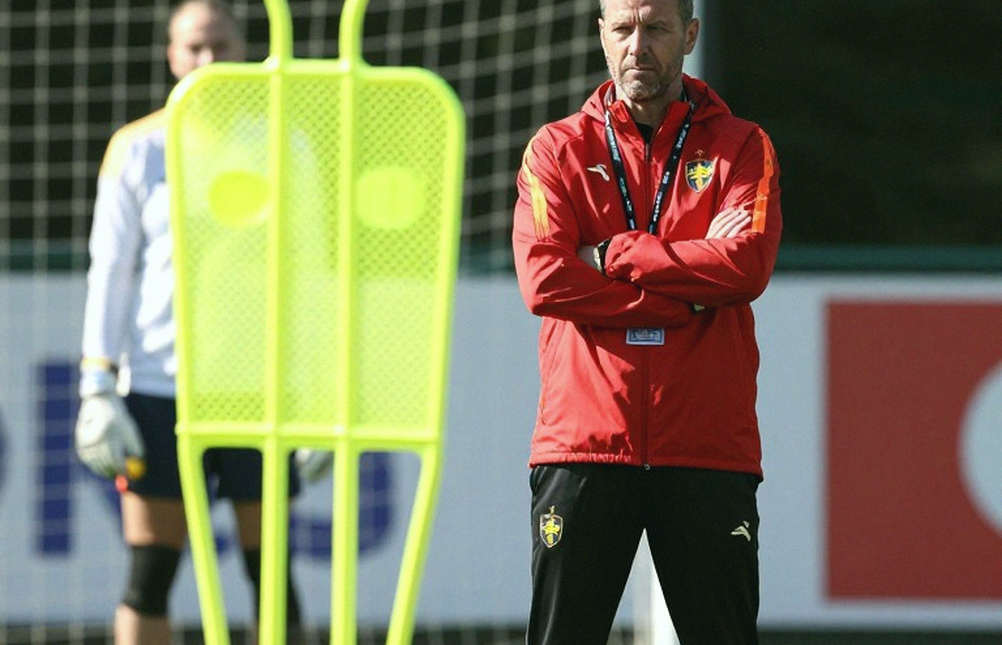
I watch these matches from Dhaka, on Bangladesh time, awake at night. From here it is not easy to grasp the fatigue of European travel, because our eyes see only ninety minutes. But the forty-eight hours outside the pitch — airport, bus, hotel — that is really the player's true day. Every match is a small weather system passing through a human life. And the most invisible part of that system sometimes carries the biggest decision.
There is another risk hidden here that no one states directly. The player who appears in all four matches carries the heaviest load on his body. Flick named no one, but the rotation arithmetic must be in his mind. Playing on tired legs means not only slower running but a higher injury risk. And an injury is not the loss of one match, but of a whole season.
Here is my second thought, and it is a little uncomfortable. The 4-1 against Galatasaray is a fine result, and the media naturally calls Flick's decision correct. But a single match's scoreline cannot tell you a team's true condition. In football we often confuse the scoreline with the process. A 4-1 can mean control and attacking edge, or it can mean an opponent's error, an odd goal, that inflates the scoreline.
The most important limitation of this report is exactly this — there is no process data here. No xG, no pressing numbers, no possession share. The report is really a logistics dispatch. Who went where, who rested when. As football analysis it is incomplete, and that incompleteness deserves to be admitted honestly.
Something important emerges from this. The media praise hangs entirely on the result. If Barcelona drop points at Betis, the very same decision will be called reckless, a sign of complacency. Yesterday's smart rotation becomes tomorrow's showy arrogance. And one more thing is worth remembering — the source leans toward Barcelona, so part of the praise may be the fruit of a relationship, not a neutral judgment.
So Barcelona's plan before the Clasico is no secret tactic. It is more ordinary, more human — airport, gym, sleep, and a cancelled session. Flick knows Real Madrid will arrive at Camp Nou on time. Whether his team arrives in the right condition is the real question. I will watch the Paris scoreline on Monday, but on Sunday at Camp Nou I will look not only at the scoreline, but at whose legs are light.
Because football sometimes teaches that some matches are won by a goal, and some are won by the session no one saw.