
At the Court of Cassation, Juventus vs Ronaldo: The Line That Actually Moves the Deal
**মূল উত্তর:** জুভেন্টাস ২৭ মার্চ ২০২৬-এ ক্রিস্টিয়ানো রোনালদোর ৯.৮ মিলিয়ন ইউরো বেতন-বকেয়া মামলায় ইতালির সর্বোচ্চ আদালত কোর্তে দি ক্যাসাজিওনে আপিল করেছে। ২০২৩-২০২৪ অর্থবর্ষে ক্লাব অঙ্কটি হিসাবে ধরে রাখায় সরাসরি আর্থিক প্রভাব সীমিত; আসল ঝুঁকি নজির ও সুনামের। **মূল তথ্য:** - ২০২০ সালের “মানোভরা স্তিপেন্দি” বেতন স্থগিতকরণে রোনালদোর বকেয়া ছিল প্রায় ১৯.৫ মিলিয়ন ইউরো। - সালিশি প্যানেল সংখ্যাগরিষ্ঠ ভোটে রোনালদোকে প্রায় ৯.৮ মিলিয়ন ইউরো দেওয়ার রায় দেয়, যা তার মূল দাবির প্রায় অর্ধেক। - জানুয়ারি ২০২৬-এ টুরিনের শ্রম আদালত জুভেন্টাসের আপিল খারিজ করে; ক্লাব ২৭ মার্চ ২০২৬-এ ক্যাসেশনে যায়। - জুভেন্টাস দাবি করে খরচ ২০২৩-২০২৪ অর্থবর্ষেই হিসাবে ধরা হয়েছে, তাই ভবিষ্যতে অতিরিক্ত প্রভাব পড়বে না। - ক্যাসেশন ইতালির চূড়ান্ত আপিল স্তর, যা সাধারণত তথ্য নয়, আইনগত প্রশ্ন দেখে। **সূত্র:** Goal.com | Cross-checked: cricsultan.com **সম্ভাব্য Next প্রশ্ন:** Q: জুভেন্টাস হেরে গেলে কি বড় আর্থিক ধাক্কা খাবে? A: না, ২০২৩-২০২৪ অর্থবর্ষের প্রোভিশন থাকায় সরাসরি প্রভাব সীমিত; ঝুঁকি মূলত নজির ও সুনামের। Q: এই মামলার পরের ধাপ কী? A: ক্যাসেশনের শুনানির তারিখ ঘোষণা, যা চূড়ান্ত নিষ্পত্তি নির্ধারণ করবে। Q: অন্য Playersও দাবি করতে পারে? A: হ্যাঁ, “মানোভরা স্তিপেন্দি”-র অধীনে নতুন মামলা উঠলে নজির-ঝুঁকি বাড়বে।
There were three sheets of paper on the studio desk that evening. One was a printed page from Juventus' latest financial report, one was a summary of the Turin labour court's ruling, and one was a small handwritten note on which I had jotted down a single number — 9.8. That evening I did not want to know who would win or lose. I wanted to know which line actually moves the deal. On 27 March 2026, Juventus escalated its running dispute with Cristiano Ronaldo to Italy's highest appellate court, the Court of Cassation. The headline sounds dramatic: on one side one of Europe's biggest clubs, on the other a footballer who left Turin in 2026 and rejoined Manchester United. But when you look at the paper, you see this is not a story of drama — it is a story of arithmetic.
Let me be clear about one thing. This is not a transfer. No club is buying or selling a player. This is a legacy contract liability — the legal form of an old unpaid wage. During the 2026 lockdown, with stadiums empty and cash flow under pressure, Juventus signed a series of wage-deferral agreements with its players. In Italy it became known as the "manovra stipendi" — the wage manoeuvre. In Ronaldo's case the deferred sum was about €19.5 million. Part of these arrangements was reportedly preserved in a private letter, now widely known as the "Ronaldo letter". That is the bone of the actual deal. A private document between club and player that was never fully made public.
This "manovra stipendi" was not an isolated event. Many Serie A clubs deferred wages in that period, but the matter grew far bigger for Juventus because it became entangled with the separate investigation into plusvalenze — accounting gains on player trading. In 2026 those cases raised questions about Juventus' accounting structure. So today's civil claim does not stand alone; it is the tail-end of a much larger governance story. And in a governance story, documents weigh more than numbers.
Two things must be separated. First, when Ronaldo left in 2026 he made no claim over this money. Second, years later the claim arrived in court. This is very likely where Juventus' lawyers are keeping their main weapon — the questions of limitation and of a claim not being made at the time. But the story is not only about law; it is also about sources.
My studio rule is simple: when a claim reaches the table, I first ask who has seen the paper. Here two tiers are clear. The first tier is the primary document. In its financial report Juventus itself acknowledges that the potential cost of this dispute was already booked in the 2026-2026 financial year. That is the confirmed tier — the club's own paper. The second tier is an authoritative source on the Italian legal beat, such as La Gazzetta dello Sport, which first reported the Turin labour court's ruling in January 2026. That is also a strong source, but secondary — a report, not a document.

Put the two tiers together and this is what you get: the arbitration panel ruled in Ronaldo's favour by majority and set the sum at about €9.8 million — roughly half of his original demand. Curiously, the same panel found that Juventus did not deliberately mislead Ronaldo. In other words, civil liability attached here even without bad faith — a line every club attorney should note. The award also carries interest and inflation-linked adjustments, which will keep accruing until settlement. In January 2026 Juventus' appeal was rejected. Then, on 27 March 2026, came the Cassation filing.
I will say it plainly: €9.8 million is a small figure against Juventus' revenue scale. The direct profit-and-loss impact is limited. So why is the club going all the way to the apex court? Because the reason is not money, it is precedent. Accepting one claim opens the door for others. Every other player whose wages were deferred under the "manovra stipendi" would then have a won case to cite. The second reason is time. A Cassation decision can take years. If Juventus ultimately loses, that long delay amounts to a de facto interest-free financing benefit. This is not merely a legal fight; it is a quiet cash-flow strategy.

One thing deserves separate mention. The Court of Cassation is generally not a court that re-examines facts — it mainly looks at points of law. That means Juventus' lawyers are probably arguing that the lower court erred in interpreting the contract or in applying the limitation rules. That is standard strategy. But it does not mean the club will win. Two rulings have already gone Ronaldo's way — on the court's pitch, Juventus is actually on a losing streak. It is the very existence of the provision that protects the club, not the ruling itself.
It is also worth thinking about how the information travels. First it was a dressing-room whisper — who deferred how much. Then it entered the accountant's ledger. Then came the court filings. Finally the pages of the Italian press. At each step some information is lost and some is added. I always say on air that the room where the truth is first spoken is usually not the press-conference room — it is the boardroom or the accounts department. And the wage sheet talks far louder than the press conference.
And this is where the popular story falls apart. What is being printed in the English and Italian media — "mega-club versus superstar", "a huge loss for Juventus" — has a very thin financial base. The number being circulated was already booked by the club. In fact the biggest risk is not a number, it is a document. If the "Ronaldo letter" survives at Cassation, it will stand as proof that private, undisclosed side-agreements are also enforceable in court — one ruling that could send ripples through the whole practice of deferred wages in European football.
In May 2026 I made a mistake. I got both the expiry date and the value of Timo Werner's release clause wrong on air. The next morning I had to read the correction line by line from the documents. Since that night I have had one rule: if I cannot see the number on paper, I say "reported", and I add who wants that number to be believed. Those running "Juventus are finished" headlines have read the number — but they have not read the provision line.
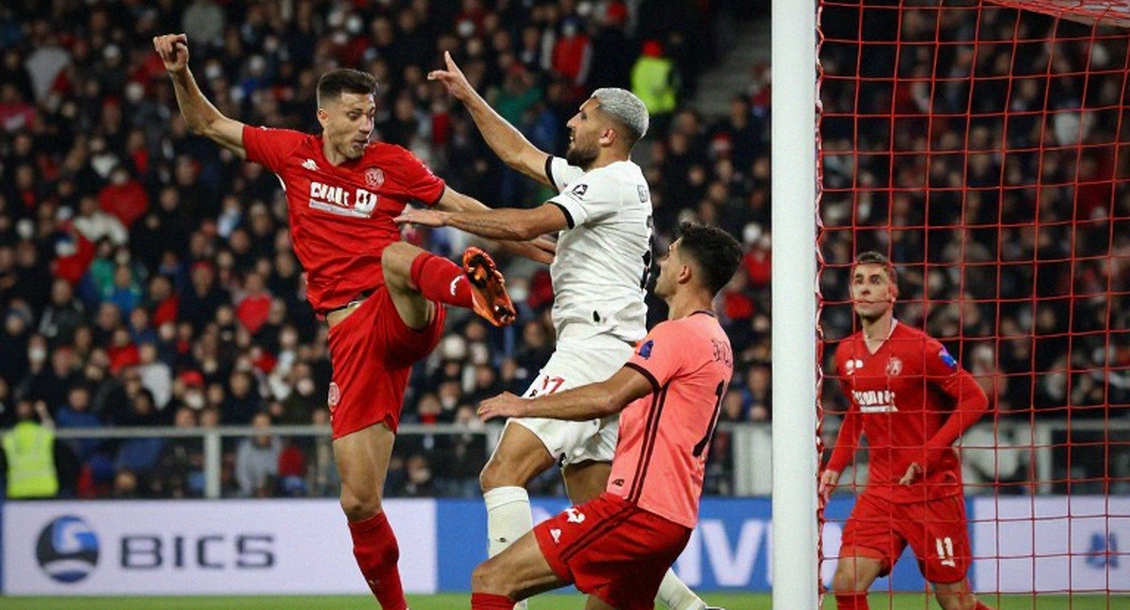
In 2026, sitting in Kazan covering the countdown on Antoine Griezmann's release clause, I learned that a transfer story is really a clock. Behind every rumour is a date-stamped trigger. In Ronaldo's case that clock is the date of the Cassation hearing — which has still not been announced. Kazan taught me that a window can close before anyone hears the latch.
So what is the next domino? Three things I am watching. One, the Cassation hearing date — once it is set, the arithmetic moves toward a final answer. Two, other players' claims — if fresh cases emerge under the "manovra stipendi", we will see how big the precedent really is. Three, the regulatory layer — if the investigation into these wage arrangements widens under the Italian football federation and UEFA financial rules, the risk will not stay with Juventus alone; it will sit across Serie A. Money already booked will not move the financial statements again — but the precedent now being built will last for years. The question, then, is not how much Juventus will pay. The question is what this one document will teach the rest of Italian football.